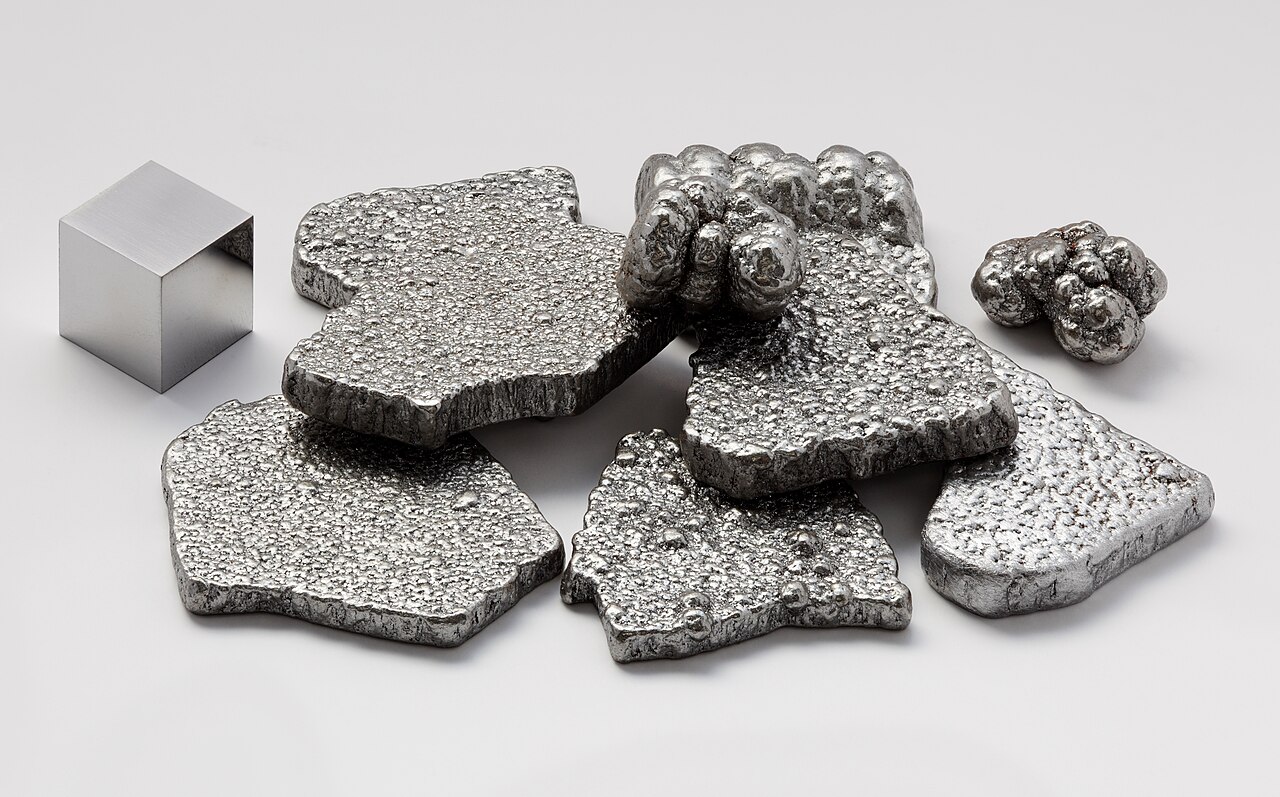
Lead: The Standard Metal for Radioactive Storage Containers
When facing the critical question of
which metal is used for containers that store radioactive sources, the answer, articulated in words not symbols, is unequivocally
lead. This heavy, versatile metal has long been recognized as the standard bearer in radiation shielding, playing an indispensable role in ensuring the safe containment of radioactive materials across various industries. Its unique properties make it the go-to choice for preventing the escape of harmful radiation, protecting both personnel and the environment.
The necessity for robust and reliable storage solutions for radioactive sources cannot be overstated. From medical isotopes used in life-saving diagnostics and treatments to the spent fuel assemblies generated by nuclear power plants, effective containment is paramount. Without proper shielding, these sources pose significant health risks, including acute radiation sickness, long-term carcinogenic effects, and environmental contamination. It is within this demanding context that lead truly shines, offering an unmatched combination of density, atomic structure, and practicality that positions it as the optimal material for such vital applications.
Why Lead? Unpacking Its Superior Shielding Properties
Lead’s prominence in radiation protection is not arbitrary; it stems directly from its exceptional physical and atomic characteristics. The primary reasons lead is the preferred material for radioactive storage containers can be distilled into two key properties: its high density and high atomic number.
Firstly,
high density means that lead packs a large amount of mass into a relatively small volume. For context, lead's density is approximately 11.34 grams per cubic centimeter, significantly higher than common structural metals like steel (around 7.85 g/cm³). This density is crucial because it means there are more atoms per unit of volume to interact with incoming radiation. When gamma rays or X-rays (which are electromagnetic radiation) encounter a dense material like lead, they are more likely to collide with the electrons and nuclei within the lead, leading to absorption or scattering. The denser the material, the shorter the distance radiation can travel before being attenuated, thereby requiring less material thickness to achieve a desired level of shielding.
Secondly, lead's
high atomic number (Z=82) is equally vital. The atomic number indicates the number of protons in an atom's nucleus and, for a neutral atom, also the number of electrons. Atoms with a high atomic number have a greater number of electrons orbiting their nuclei. These numerous electrons provide ample targets for gamma rays and X-rays to interact with through processes like the photoelectric effect and Compton scattering.
- Photoelectric Effect: When a low-energy gamma ray interacts with an electron in a high-Z material like lead, the photon's energy is completely absorbed, ejecting the electron from the atom. This effectively removes the gamma ray from the radiation field.
- Compton Scattering: For higher-energy gamma rays, the photon interacts with an electron, transferring some of its energy to the electron and scattering in a new direction with reduced energy. The scattered photon can then undergo further interactions until it is eventually absorbed.
Lead's high Z value dramatically increases the probability of these interactions, making it exceptionally efficient at absorbing and blocking various types of high-energy electromagnetic radiation. This is why lead is
Why Lead Is Essential for Shielding Radioactive Sources, far more effective than lighter elements at the same thickness. While lead is primarily effective against gamma and X-ray radiation, its density also offers some attenuation against beta particles (high-energy electrons), which are stopped by relatively thin layers of material. However, for neutron radiation, different shielding materials like boronated polyethylene or water are typically employed.
Applications Across Industries: Where Lead Containers Shine
The utility of lead in radioactive containment extends across a broad spectrum of industries, each with unique requirements for radiation safety. The versatility and proven efficacy of lead-lined containers make them indispensable in critical sectors.
One of the most prominent areas is
nuclear medicine. Hospitals and research facilities frequently use radioactive isotopes (radiopharmaceuticals) for diagnostic imaging (e.g., PET scans, SPECT scans) and therapeutic treatments. These isotopes, often with short half-lives, must be transported, stored, and prepared safely. Lead-lined syringes, shielded vials, and robust lead storage containers are essential for minimizing dose to medical staff and ensuring patient safety. For instance, Technetium-99m, a widely used diagnostic isotope, is invariably handled within lead-shielded environments.
In
industrial radiography, where powerful gamma or X-ray sources are used to inspect materials for flaws without destroying them, lead plays a crucial role. Sources like Iridium-192 or Cobalt-60 are housed in heavy, lead-shielded containers (collimators or source projectors) during transport and operation. These containers not only protect operators but also direct the radiation beam precisely onto the inspection target.
Nuclear power plants, perhaps the most obvious application, rely heavily on lead for the storage and transport of radioactive materials, particularly spent nuclear fuel. While large-scale spent fuel storage often involves thick concrete casks and water pools, lead is frequently incorporated into multi-layered casks (casks designed for the transport and storage of nuclear materials) for intermediate storage and transportation. These robust casks, often incorporating lead alongside steel or other materials, provide formidable barriers against radiation, ensuring
Safe Containment: Understanding Lead's Role in Radiation Protection during movement between facilities. Furthermore, lead shielding is used within the plant environment to protect workers in areas where radioactive components are present.
Beyond these major industries, lead containers are also found in:
- Research laboratories: Storing various radioactive samples and waste.
- Waste management facilities: Encapsulating low- and intermediate-level radioactive waste.
- Security and customs: Detecting and safely handling illicit radioactive materials.
Beyond Shielding: Practical Advantages of Lead
While its shielding properties are paramount, lead offers several practical advantages that contribute to its widespread adoption as the go-to material for radioactive storage. These benefits further solidify its position beyond just its atomic characteristics.
Firstly,
lead is a cost-effective and widely available material. Although it is a heavy metal, its extraction and processing costs are relatively stable compared to other high-density materials that could offer similar shielding, such as depleted uranium (DU). Lead deposits are found globally, ensuring a consistent supply. Its widespread availability means that manufacturing facilities can easily source the raw material, keeping production costs for lead containers competitive. This economic feasibility is a significant factor, especially when large volumes of shielding are required.
Secondly, lead’s
malleability and low melting point make it remarkably easy to work with. It can be readily cast into complex shapes, extruded, or pressed, allowing for the creation of custom containers tailored to specific radioactive sources or operational needs. This ease of fabrication reduces manufacturing complexity and cost, enabling manufacturers to produce everything from small, intricate medical isotope shields to large, multi-ton storage casks efficiently. Its flexibility also means it can be combined with other materials, such as steel (creating lead-lined steel containers), to enhance structural integrity while leveraging lead’s shielding capabilities.
Furthermore, lead has a
long and proven track record. Decades of experience in handling and utilizing lead for radiation protection have led to well-established engineering standards, safety protocols, and regulatory frameworks. This institutional knowledge and historical data provide confidence in its long-term performance and reliability in critical safety applications.
Ensuring Safety: Best Practices for Radioactive Material Storage
While lead provides an excellent passive barrier against radiation, its effectiveness is maximized when integrated into a comprehensive safety program. Storing radioactive materials safely involves more than just selecting the right metal; it requires careful planning, adherence to regulations, and continuous vigilance.
**Practical Tips for Safe Radioactive Storage:**
- Appropriate Shielding Thickness: Always ensure the lead container's thickness is sufficient for the specific radionuclide and its activity. This calculation should be performed by qualified radiation safety professionals, considering the type and energy of radiation emitted.
- Secure Location: Radioactive sources and their containers must be stored in a controlled-access area, preventing unauthorized access. This area should be clearly marked with appropriate radiation warning signs.
- Structural Integrity: Regularly inspect lead containers for any signs of damage, cracks, or corrosion that could compromise their shielding effectiveness or containment. Lead, while durable, can be susceptible to physical impact or chemical degradation over time.
- Proper Labeling: Each container must be clearly labeled with information about the radioactive source inside, including its radionuclide, activity, date, and any specific handling precautions.
- Minimize Time, Maximize Distance, Use Shielding (ALARA): Always adhere to the ALARA principle – As Low As Reasonably Achievable. Minimize the time spent near sources, maximize the distance from them, and always use adequate shielding.
- Regulatory Compliance: All storage practices must comply with national and international radiation safety regulations (e.g., IAEA standards, NRC regulations in the US). This includes licensing, record-keeping, and disposal protocols.
- Personnel Training: All individuals handling or working near radioactive materials must receive thorough training in radiation safety, emergency procedures, and the specific handling requirements for each source.
- Environmental Monitoring: Where appropriate, maintain environmental monitoring (e.g., using dosimeters, area monitors) to confirm that radiation levels outside the storage containers remain within safe limits.
- Lead Toxicity Awareness: While effective as a shield, lead itself is a toxic heavy metal. Care must be taken during the manufacturing, handling, and eventual disposal or recycling of lead components to prevent environmental contamination and exposure to workers. Containers should be robustly sealed to prevent lead dust or fragments from escaping.
Conclusion
In summary, when faced with the critical need for safe and effective containment of radioactive sources, the answer to
which metal is used for containers that store radioactive sources is unequivocally
lead. Its unparalleled combination of high density, high atomic number, and practical advantages such as cost-effectiveness and ease of fabrication, solidifies its position as the standard material for radiation shielding. From nuclear medicine to power generation, lead-lined containers are a cornerstone of radiation safety, providing the robust protection necessary to safeguard health and environment. However, the efficacy of lead is always amplified when paired with stringent safety protocols, continuous monitoring, and a commitment to regulatory compliance, ensuring that the powerful capabilities of radioactive materials can be harnessed responsibly and securely.