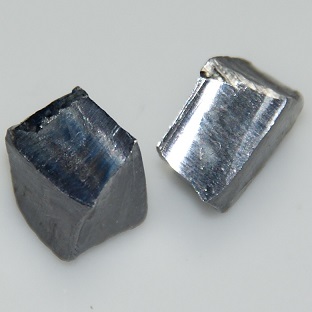
In the crucial domain of radiation safety, a fundamental question often arises: Which Metal Is Used For Containers That Store Radioactive Sources? The concise answer, presented in words not symbols, is definitively lead. This metal has long been the cornerstone of safe containment for radioactive materials, from nuclear medicine to industrial applications, owing to its unparalleled shielding properties.
Protecting individuals and the environment from ionizing radiation necessitates robust and reliable materials. While other substances offer some degree of protection, lead consistently stands out as the most effective and practical choice for constructing containers for radioactive sources. This article explores the scientific rationale behind lead's efficacy, details its diverse applications, and discusses the comprehensive safety measures essential for secure radiation protection.
The Unrivaled Shield: Why Lead is the Preferred Choice
When it comes to selecting a material for containers that store radioactive sources, engineers and safety professionals consistently turn to lead. The reasons are rooted in its fundamental atomic structure and physical characteristics, which combine to create a formidable barrier against various forms of radiation.
The Science Behind Lead's Shielding Prowess
Lead (Pb), with an atomic number of 82, possesses a unique combination of attributes that make it an exceptional radiation shield:
- High Density: Lead has a remarkably high density (11.34 g/cm³). This means a given volume of lead contains a large number of atoms packed closely together. When radiation particles or photons attempt to pass through, they are much more likely to collide with and be absorbed by these dense atoms, which is crucial for attenuating radiation.
- High Atomic Number (Z): The high atomic number of lead is perhaps its most critical shielding property, particularly against electromagnetic radiation like X-rays and gamma rays. These types of radiation interact with the electrons in the atoms of the shielding material. Lead's numerous electrons provide abundant targets for these interactions.
Lead primarily attenuates gamma rays and X-rays through three key mechanisms:
- Photoelectric Effect: Dominant for lower-energy photons, where the photon transfers all its energy to an electron, which is then ejected. Lead's high atomic number significantly increases this likelihood.
- Compton Scattering: For intermediate-energy photons, the photon collides with an electron, losing some energy and changing direction. Subsequent interactions further reduce its energy.
- Pair Production: At very high photon energies (above 1.02 MeV), a photon converts its energy into an electron-positron pair near the nucleus. Lead's high atomic number facilitates this.
While alpha and beta particles have lower penetrating power, lead is also highly effective against beta particles and, importantly, the secondary X-rays (bremsstrahlung) they can produce when interacting with shielding materials.
Beyond Density: Other Practical Advantages
Beyond its superior shielding capabilities, lead offers several practical benefits that reinforce its status as the standard for radioactive source containers:
- Cost-Effectiveness: Compared to other high-density shielding materials like depleted uranium or tungsten, lead is significantly more cost-effective. Its widespread availability and relatively simple processing contribute to a lower overall manufacturing cost for containers.
- Malleability and Workability: Lead is a soft, malleable metal, making it easy to cast, mold, and machine into various shapes and sizes required for diverse container designs. This flexibility allows for custom solutions tailored to specific radioactive sources and applications.
- Availability: Lead is a common and readily available metal, ensuring a consistent supply for manufacturing radiation shielding components globally.
- Stability: Lead is chemically stable and does not corrode easily, contributing to the longevity and integrity of storage containers over time.
Applications Across Industries: Where Lead Containers Are Essential
Lead's versatility and efficacy make containers made from this metal indispensable across a broad spectrum of industries utilizing or generating radioactive materials. From life-saving medical procedures to critical industrial inspections, lead ensures safety and compliance.
Nuclear Medicine and Research
In the realm of nuclear medicine, radioactive isotopes (radiopharmaceuticals) are used for diagnostic imaging (e.g., PET scans, SPECT scans) and therapeutic treatments. These sensitive materials require meticulous handling and storage. Lead containers, often called "pigs" or "hot cells," are crucial for:
- Transporting Radiopharmaceuticals: Specialized lead-lined containers ensure the safe transit of isotopes from production facilities to hospitals and clinics, protecting both handlers and the public from radiation exposure.
- Storing Radioactive Waste: Used radiopharmaceuticals and contaminated materials are securely stored in lead-shielded containers before proper disposal, minimizing environmental impact and occupational hazards.
- Shielding Syringes and Vials: Smaller, specialized lead containers are used to hold syringes and vials containing radioactive doses, allowing medical professionals to handle them with minimal direct exposure.
Research labs also heavily rely on lead shielding for controlled environments, researcher protection, and safe storage of experimental materials.
Industrial Radiography and Non-Destructive Testing (NDT)
Industrial radiography employs sealed radioactive sources (such as Iridium-192 or Cobalt-60) to inspect materials for flaws without damaging them, a process critical in manufacturing, construction, and aerospace. Portable lead-shielded containers are paramount for:
- Safe Transportation to Job Sites: These robust containers protect technicians and the surrounding area during the transport of powerful industrial sources to remote or active work sites.
- Secure Storage During Operations: When not actively being used for inspection, the radioactive source is retracted into its lead container, providing an immediate and effective shield.
The integrity of these containers is paramount, given the often-strong sources used in industrial radiography.
Nuclear Power and Waste Management
Nuclear power plants generate radioactive waste, which requires stringent containment measures. While long-term storage often involves massive concrete and steel structures, lead plays a role in:
- Temporary Storage and Transfer: Lead-lined casks and containers are used for the temporary storage of spent fuel and high-level waste, as well as for transferring these materials within facilities.
- Shielding Components: Certain components within the power plant itself may utilize lead shielding to protect workers during maintenance or inspection activities.
The principle remains consistent: to effectively block harmful radiation emissions, a dense, high-atomic-number material like lead is indispensable.
Ensuring Safe Containment: Beyond the Metal
While the metal choice is fundamental, safe containment of radioactive sources demands a multifaceted approach extending beyond lead's physical properties. Comprehensive safety protocols, meticulous design, and strict regulatory adherence are equally vital for a secure environment.
The ALARA Principle: Time, Distance, Shielding
At the heart of radiation protection lies the ALARA principle: As Low As Reasonably Achievable. This guiding philosophy dictates that all radiation exposures should be kept to the lowest possible level. It is achieved through a combination of three key strategies, of which shielding is just one:
- Time: Minimize the duration of exposure to a radioactive source. The less time spent near a source, the lower the accumulated dose.
- Distance: Maximize the distance from a radioactive source. Radiation intensity decreases rapidly with distance (inverse square law). Doubling the distance reduces exposure to one-fourth.
- Shielding: Place an appropriate barrier between the source and personnel. This is where lead containers shine, effectively absorbing and attenuating radiation.
A well-designed lead container directly addresses the "shielding" component of ALARA, making it possible to safely handle and store sources that would otherwise pose a significant risk.
Container Design, Integrity, and Regulatory Compliance
A lead container's effectiveness depends not just on the material, but also its design and manufacturing quality. Considerations include:
- Thickness and Configuration: The required thickness of the lead shield varies based on the type and energy of the radiation emitted by the source. Containers are engineered to provide sufficient shielding for their specific contents.
- Joints and Seams: Any gaps or weak points in the shielding can compromise its integrity. Advanced manufacturing techniques ensure seamless lead construction or meticulously sealed joints to prevent "streaming" (radiation escaping through unshielded pathways).
- Impact Resistance and Durability: Containers, especially those for transport, must be robust enough to withstand potential impacts, falls, and environmental stresses without compromising the internal shielding or source integrity.
- Ventilation and Heat Dissipation: For very high-activity sources, radioactive decay can generate heat. Container designs may incorporate features to dissipate this heat safely.
Strict regulatory bodies, such as the International Atomic Energy Agency (IAEA) and national nuclear regulatory commissions, set rigorous standards for the design, testing, and approval of containers used for storing and transporting radioactive materials. Compliance with these standards is mandatory to ensure safety.
Handling and Transportation Protocols
Even the most perfectly designed lead container requires correct handling. Training and strict protocols are essential for personnel involved in moving or accessing radioactive sources. This includes:
- Specialized Equipment: Use of remote handling tools, forklifts, and cranes designed for heavy, shielded containers.
- Monitoring: Regular use of personal dosimeters and survey meters to monitor radiation levels and ensure shields are effective.
- Emergency Procedures: Clear, well-practiced plans for dealing with accidental spills, container damage, or other incidents.
The integrity of the lead container is the first line of defense, but it is always part of a larger, integrated safety system.
Conclusion: The Enduring Legacy of Lead in Radiation Safety
The overarching question, "Which Metal Is Used For Containers That Store Radioactive Sources? Answer In Words Not Symbols," consistently points to lead. Its exceptional density, high atomic number, and practical benefits like cost-effectiveness and workability have cemented its status as the industry standard for radiation shielding across numerous critical applications. Lead-lined containers are a vital component of modern radiation safety, protecting personnel, patients, and the environment. However, their efficacy is always part of a larger, holistic safety framework that includes advanced design, stringent regulatory compliance, and unwavering adherence to the ALARA principle. As our understanding of radiation protection evolves, lead remains an indispensable and reliable guardian against ionizing radiation, ensuring safe containment for our most sensitive materials.